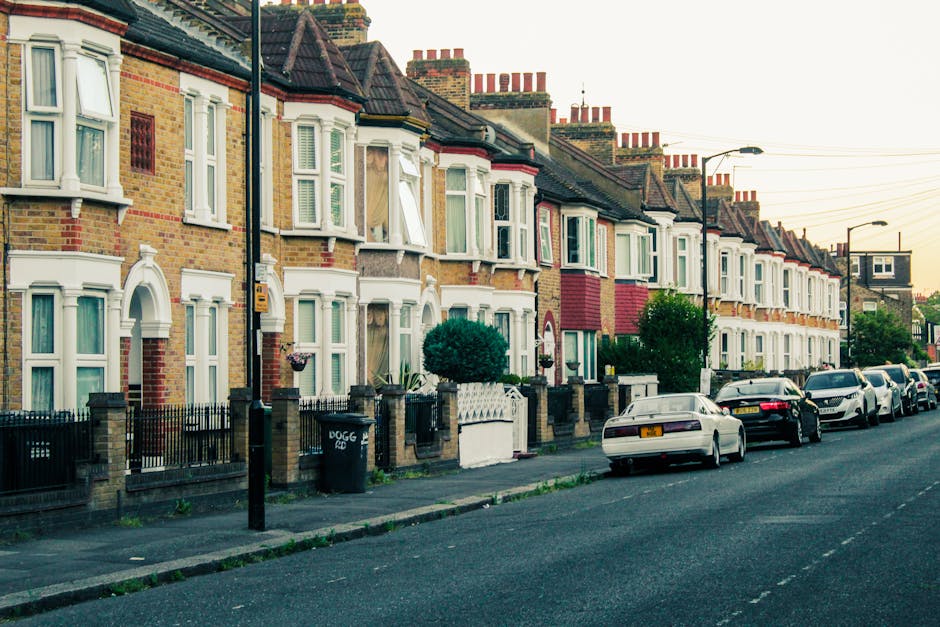
South Harrow HA2 removals tips for narrow streets
Moving home in South Harrow can feel straightforward on paper, then suddenly the street outside tells a different story. Parked cars, tight turns, low-hanging branches, impatient traffic, and that awkward moment where a van is half in the road and half blocking a neighbour's driveway - yes, that sort of thing. If you are looking for South Harrow HA2 removals tips for narrow streets, the real job is not just lifting boxes. It is planning around access, timing, loading space, and the practical realities of older residential roads.
This guide pulls together the most useful things to know before moving day. You will get a clear step-by-step approach, expert checks that save time, common mistakes to avoid, and sensible options for storage if your move needs breathing room. Whether you are moving a flat, a family house, or a small business in HA2, the aim is simple: make the move smoother, safer, and far less stressful. Truth be told, narrow streets can be managed well - but only if you plan for them early.
Why South Harrow HA2 removals tips for narrow streets Matters
Narrow streets change the whole moving experience. In a wide, easy-access road, the biggest concern is usually timing. In HA2, access itself can be the issue. A van may need to park further away than expected. A sofa may not turn the corner cleanly. Two movers carrying a wardrobe can feel like they are solving a puzzle in real time. Not ideal.
That is why planning for street width, vehicle size, and loading distance matters so much. A good move in South Harrow is often less about brute force and more about removing friction before it starts. The fewer surprises you leave for moving day, the better the outcome. And if you have ever watched a driver try to reverse a long vehicle past tightly parked cars at 8:30 on a weekday morning, you will know why this matters.
It also matters for your neighbours and your own stress levels. Streets that are busy or narrow can quickly become tense if a removals van is left idling too long or if boxes are carried across a long distance with no clear route. Careful planning helps everyone. Simple as that.
For many households, combining removals with temporary storage is also a smart move. If your dates do not line up neatly, or if you need to clear a room before completion day, services such as short-term storage in South Harrow can take some pressure off the schedule. For larger or more flexible needs, self storage in South Harrow is often worth considering.
How South Harrow HA2 removals tips for narrow streets Works
At its core, a narrow-street move works by reducing the distance between the van and the front door, or at least making that distance more manageable. That can mean selecting a smaller vehicle, booking at a quieter time, pre-clearing the pavement where possible, or using a shuttle approach with smaller loads.
Here is the basic logic. First, assess access. Then decide how the van will stop, where items will be staged, and who will carry what. After that, look at the furniture itself. A move can fail on one oversized wardrobe or a sofa that refuses to pivot round a tight staircase. That is why measuring is not optional. It is the difference between a calm day and a messy one.
In a typical HA2 street, the removal crew may need to do a little more walking than usual. That sounds minor, but over a whole house it adds up. More steps means more time and more physical handling, so packing must be tighter, labels clearer, and boxes sensibly weighted. If a move contains fragile items, document boxes, or specialist furniture, the loading sequence becomes even more important.
For example, if you are moving a household and a few larger items need separate care, a service like household storage in South Harrow or furniture storage in South Harrow can help you separate the move into smaller, cleaner stages. That is often easier than trying to force everything into one day.
Key Benefits and Practical Advantages
Good planning for narrow-street removals is not just about convenience. It genuinely improves the result. A few practical advantages stand out.
- Less risk of damage: Fewer tight squeezes and less rushed carrying usually means fewer scuffs on walls, doorframes, and furniture.
- Faster loading and unloading: Even a small reduction in carrying distance can save a surprising amount of time.
- Lower stress for everyone: Clear access means the crew can focus on handling items properly instead of improvising.
- Better neighbour relations: A tidy, well-managed move is less disruptive on a cramped street.
- More flexibility: If dates shift, short-term or long-term storage can keep the move on track without panic.
There is also a money angle, although it is best to think of it as efficiency rather than a magic saving. When removals teams can work safely and logically, the job tends to flow better. Less faffing about. Fewer awkward re-lifts. Less chance of needing a second attempt because the first plan was too optimistic.
If you are comparing options, a clear service overview can help you decide what level of support you actually need. The services overview and pricing and quotes pages are useful starting points when you want to understand what is available before booking.
Who This Is For and When It Makes Sense
This kind of planning makes sense for anyone moving in or around South Harrow HA2 where road access is less than generous. That includes terraced houses, converted flats, maisonettes, and older streets where parking is often tight even on a good day. If you have ever had to carry a washing machine round the side of a parked car, you already know the type of move we are talking about.
It is especially useful if:
- your property sits on a narrow residential road
- parking outside is limited or unpredictable
- you have large furniture or heavy white goods
- you are moving with children and want the day kept simple
- your sale, purchase, or tenancy dates do not match perfectly
- you need to store items before, during, or after the move
Students moving in and out of shared accommodation also benefit from this approach, especially when deadlines, handover times, and access windows all collide in the same week. In those situations, student storage in South Harrow can be a very practical safety valve. It is not glamorous, but it works.
Businesses are not off the hook either. If you are relocating stock, archived files, or office furniture through a narrow access point, business storage in South Harrow and document storage in South Harrow can keep clutter out of the way while the move is underway.
Step-by-Step Guidance
Here is the practical sequence I would follow for a move in a narrow HA2 street. It is not fancy, just effective.
- Survey the street properly. Walk the route from van parking spot to front door. Check kerbs, low branches, tight corners, steps, and any awkward slopes.
- Measure the big items. Measure sofas, beds, wardrobes, mirrors, fridges, and anything that might need twisting or tilting. Do not guess. Guessing is how people end up staring at a doorway in silence.
- Decide on the vehicle size. Bigger is not always better on narrow roads. A slightly smaller van can sometimes save time because it can park more sensibly.
- Plan the loading order. Put the heaviest, most awkward items in first, and keep essentials accessible for last-minute needs.
- Prepare parking and access arrangements. If parking is limited, think about arrival time carefully and keep your loading area clear where possible.
- Protect the property. Use doorframe covers, floor protection, and corner guards. One scuffed wall can sour an otherwise smooth day.
- Stage boxes near the exit. Create a holding area so movers are not constantly weaving through the house.
- Keep a separate essentials bag. Kettle, chargers, medication, documents, snacks, and a change of clothes. You will thank yourself by 7pm.
- Use storage if dates do not align. If the move is split across days, place non-urgent items into short-term or long-term storage rather than forcing the whole job into one tight window.
One small but important point: label boxes by room and priority, not just by contents. "Kitchen - first night" is much more useful than "misc.", and it saves time when everyone is tired and the kettle is still in a box somewhere.
Expert Tips for Better Results
After enough moves, a few patterns become obvious. The best results usually come from a boringly careful approach. That may not sound exciting, but removals are one of those jobs where boring is good.
Tip 1: move early in the day. Streets are often calmer in the morning, and you are less likely to be boxed in by later parking demand. It also gives you more daylight if the job runs long.
Tip 2: keep the front of the property clear. Recycling bins, bicycles, prams, plant pots, and loose bags all get in the way more than people expect. Move them out of the route the night before.
Tip 3: pre-dismantle what you safely can. Beds, table legs, shelving, and removable handles often make the difference between a smooth carry and a frustrating one. Keep screws and fittings in labelled bags.
Tip 4: protect corners and fragile edges. Narrow hallways are where furniture gets scratched. A blanket is useful, but not all blankets are equal. Use proper wrapping where needed.
Tip 5: think about the final room layout. If you know which room each item is going to, unload in that order. It reduces backtracking, which is a lovely thing on a tight street.
Tip 6: keep a quiet fallback plan. If a large item cannot come through the main route, can it be taken apart? Can it go through a side access? Can it be stored and delivered later? This is where secure storage in South Harrow can be very handy, especially for valuables or items you do not want cluttering the new place.
And a small human note here: the move day almost always feels longer than expected. That is normal. Don't let the clock bully the process. A steady pace usually beats a frantic one.
Common Mistakes to Avoid
There are a few mistakes that show up again and again on narrow-street moves. They are all avoidable, which is the annoying part.
- Booking the wrong vehicle size. Too large and it cannot park properly; too small and you end up making extra trips.
- Ignoring the walking distance. A "nearby" parking space can still mean a long carry if the street is busy or one-way access is awkward.
- Not measuring furniture properly. A sofa that is one inch too wide can become a full-scale logistics problem.
- Leaving clutter at the front door. Boxes, shoes, coat stands, and small furniture all slow the crew down.
- Forgetting weather conditions. Rain turns a simple route into a slippery, more cautious one. Bit obvious, but easy to overlook when you are focused on everything else.
- Leaving storage decisions too late. If you need storage, decide early. Last-minute solutions are possible, but they are rarely calm.
One more thing that catches people out: assuming the removals team will solve an access issue without being told about it in advance. If the street is especially tight, say so clearly. The best teams can only plan around the details they know.
Tools, Resources and Recommendations
You do not need specialist kit for every move, but a few tools make a big difference.
- Measuring tape: For furniture, doors, stairwells, and vehicle checks.
- Furniture blankets and wraps: Useful for protecting wood, glass, and painted surfaces.
- Strong tape and markers: For labelling boxes and sealing parts bags.
- Gloves with grip: Helps with awkward surfaces and reduces hand strain.
- Floor protection: Cardboard runners or protective covers for hallways and high-traffic areas.
- Trolley or sack truck: Helpful for heavier boxes and white goods, though it must be used carefully on steps and uneven surfaces.
On the service side, it is worth checking whether you need a short stay storage solution, a more secure option, or a longer hold while dates settle. The links below are a sensible place to compare options based on the kind of move you are planning:
- long-term storage in South Harrow
- short-term storage in South Harrow
- insurance and safety information
- recycling and sustainability guidance
If you are still working out what you need, the about us page and contact page can help you understand the service and ask the right questions before booking. Sometimes a five-minute conversation saves a day of hassle. That is not exaggeration, it is just how these jobs go.
Law, Compliance, Standards and Best Practice
For most home moves, the main focus is practical safety and sensible street use rather than complex legal requirements. Still, there are a few expectations worth keeping in mind in the UK.
First, do not block driveways, entrances, or emergency access if it can be avoided. On narrow residential roads, that means planning vehicle placement carefully and keeping loading periods as short and tidy as possible. If parking controls, permits, or restrictions apply in your area, make sure they are understood in advance. The details vary, so it is better to check than assume.
Second, safe manual handling matters. Boxes should be packed to manageable weights, larger items should be lifted with enough people, and awkward furniture should not be forced through unsuitable spaces. It sounds obvious, but a lot of little strains happen because people try to save one extra trip. Not worth it.
Third, good removals practice means protecting both your belongings and the property. That includes floor coverings, careful wrapping, and avoiding damage to communal areas in flats or shared buildings. For managed buildings, ask about access windows, lift protection, and booking requirements.
Finally, if storage is part of the plan, choose a provider with clear policies around security, payment, and service terms. Pages such as payment and security, terms and conditions, and health and safety policy are useful for setting expectations properly. A move is easier when nobody is guessing.
Options, Methods, or Comparison Table
If your street is tight, there is usually more than one way to handle the move. The best method depends on the size of the property, the distance from the van to the entrance, and how much you are moving at once.
| Method | Best for | Pros | Trade-offs |
|---|---|---|---|
| Single large van | Standard moves with decent street access | Fewer trips, simple logistics | Can be difficult to park in narrow roads |
| Smaller van with more careful loading | Tight residential streets and controlled access | Easier parking, more flexible positioning | May need more planning for volume |
| Shuttle-style move | Very limited access or awkward parking | Useful when the main vehicle cannot stop nearby | More handling, more time, more coordination |
| Move plus storage split | When dates do not match or there is too much to move at once | Reduces pressure and makes the day cleaner | Requires extra coordination and planning |
For many people, the best answer is a combination. A smaller van, a bit of storage, and a planned loading order can beat a "one big push" approach almost every time. Less drama, fewer bruises, and the street stays calmer too.
Case Study or Real-World Example
Imagine a two-bedroom flat in South Harrow with a narrow road outside, cars parked on both sides, and only a short stretch of available kerb space. The move includes a bed frame, sofa, dining table, fridge-freezer, and a mix of packed boxes. The new property is ready, but the owners need to hand over keys in the afternoon and collect furniture later.
The smarter approach is to split the move. Heavy essentials are loaded first. The sofa is dismantled. The fridge is measured against the doorway before the team commits to the route. Boxes go into room-specific stacks near the exit. Non-urgent items, including spare furniture and seasonal belongings, are placed into short-term storage until the new place is fully ready.
That does two useful things. It keeps the van time manageable on a tight street, and it stops the home from becoming a holding bay for every single thing the family owns. Anyone who has lived through a moving week knows how quickly clutter can multiply. One minute there are just a few boxes. The next, there is a tower of bubble wrap in the hallway and nobody can find the toaster.
In moves like this, storage is not a backup plan. It is part of the strategy. And that is often what makes the difference between a stressful scramble and a move that feels controlled enough to breathe through.
Practical Checklist
Use this checklist before moving day. Print it, copy it, scribble on it - whatever works.
- Measure all large furniture and doorways
- Check the street for parking limits and access constraints
- Confirm van size and arrival time
- Tell the removals team about steps, tight turns, and heavy items
- Book storage if your dates do not line up
- Label boxes by room and priority
- Pack an essentials bag for the first 24 hours
- Protect floors, corners, and fragile surfaces
- Clear bins, bikes, and clutter from the route
- Keep keys, documents, chargers, and medication separate
- Check your booking, payments, and any service terms in advance
- Have a phone charged and ready on the day
Expert summary: The best narrow-street removals are usually the ones that look almost uneventful from the outside. That quiet smoothness comes from measuring properly, choosing the right vehicle, and not pretending access is easier than it is. Small details, big difference.
Conclusion
South Harrow HA2 removals tips for narrow streets are really about one thing: respecting the constraints before they become problems. When access is tight, a good move depends on planning, pacing, and making room for the unexpected. Measure properly, choose your vehicle wisely, decide early if storage will help, and keep the loading route simple.
That approach keeps the day calmer, protects your belongings, and makes the whole process feel more manageable. It also helps you avoid the classic moving-day spiral where everyone is carrying something, nobody is sure where the lampshade went, and the kettle somehow still has not surfaced. Been there, unfortunately.
If you want support that fits the reality of a narrow South Harrow street, take a moment to compare the services and think through your timings before the boxes start stacking up. A bit of preparation now can save a lot of rushing later.
Get a free quote today and see how much you can save.
And if you are in the middle of a move, take it one box at a time. That is usually how the best days are won.
Frequently Asked Questions
What is the best removals approach for narrow streets in South Harrow HA2?
The best approach is usually a smaller or more carefully positioned vehicle, clear access planning, and a sensible loading order. In many cases, splitting the move with short-term storage also makes the day much easier.
How far in advance should I plan a move on a narrow road?
As early as you can. Even a basic access check a few weeks ahead can prevent problems later. If parking is very tight or the move involves large furniture, earlier planning gives you more options.
Do I need storage if my moving dates do not match?
If there is any gap between leaving one property and getting full access to the next, storage can be a very practical solution. It helps you avoid forcing everything into a rushed single day.
How do I know whether my furniture will fit through the door?
Measure the item, measure the doorway, and remember to allow for turning space. Straight measurements are helpful, but awkward angles are often what make or break a move.
Is a bigger van always better for a house move?
No. On narrow streets, a smaller van can actually be more efficient if it parks more easily and reduces the risk of delays. Bigger is only better when access allows it.
What should I tell my removals team before moving day?
Tell them about street width, parking issues, steps, low branches, tight hallways, fragile items, and any awkward furniture. The more accurate the brief, the better the plan.
What if my street is blocked by parked cars?
That is exactly why access planning matters. If the street is regularly congested, speak to the removals team early and consider alternative parking positions or a shuttle-style approach.
Can I move heavy items myself on a narrow street?
You can, but heavy items are where people get hurt or damage property. If the access is awkward, it is usually safer to use proper equipment and enough people rather than improvising.
How can I protect walls and floors during the move?
Use floor coverings, protect corners, wrap furniture properly, and keep the route clear. Most damage happens when people are tired and rushing, so slowing the process slightly is often worth it.
Are there special rules for parking a removals van in South Harrow?
Parking rules can vary depending on the street and local restrictions, so it is best to check the situation for your exact address rather than assume. If necessary, plan for shorter loading windows and alternative parking.
What type of storage is best for a short gap between moves?
For a short gap, short-term storage is usually the most straightforward choice. If you need items kept for longer, long-term storage may be more cost-effective and easier to manage.
Where can I start if I am not sure what I need?
Start with the service overview, look at pricing, and then contact the team with your access details and dates. A clear conversation at the start usually saves time later, which is never a bad thing.